Performance Marketing vs Digital Marketing: Which One Is Right for Your Business?
Learn the key differences between performance marketing and digital marketing, including their channels, costs, benefits, limitations, and measurable results.
Introduction
Businesses use different online marketing strategies to reach their target audience, build brand awareness, and generate sales. Digital marketing focuses on promoting a business through online channels, while performance marketing focuses on measurable results such as clicks, leads, and conversions.
Understanding performance marketing vs digital marketing helps businesses choose the right approach for their goals, audience, and budget.
Although both strategies are closely related, they differ in their goals, approach, and methods of measuring success. Understanding these differences can help businesses choose the right marketing strategy based on their objectives and budget.
Key takeaways
Digital marketing promotes businesses through online channels.
Performance marketing focuses on clicks, leads, and sales.
Digital marketing builds brand awareness and online visibility.
Performance marketing helps track results and marketing costs.
Both strategies help businesses reach customers and grow.
Using both together can improve marketing results.
Table of Contents
What Is Digital Marketing?
What Is Performance Marketing?
How Performance Marketing Fits Within Digital Marketing
Performance Marketing vs Digital Marketing: Key Differences
Performance Marketing vs Digital Marketing: Channels and Activities
Performance Marketing vs Digital Marketing: Goals and Objectives
Performance Marketing vs Digital Marketing: KPIs and Measurement
Performance Marketing vs Digital Marketing: Cost and Budget Considerations
Practical Example: Performance Marketing vs Digital Marketing
Benefits and Limitations of Both Approaches
When Should a Business Use Performance Marketing?
When Should a Business Focus on Broader Digital Marketing?
Decision Checklist: Which Strategy Is Right for Your Business?
Can Performance Marketing and Digital Marketing Work Together?
Frequently Asked Questions
Conclusion
What Is Digital Marketing?
Digital marketing is the process of promoting a business, product, or service through online channels to reach and connect with potential customers. It uses methods such as SEO, social media, content marketing, email marketing, and online advertising to increase visibility, attract the right audience, build trust, and support business growth It can be used at different stages of the customer journey, from introducing a brand to generating leads and encouraging repeat purchases.
For example, a local salon can use SEO to appear in Google searches, Instagram to showcase its services, and social media ads to reach people in its area. Together, these activities can help the salon attract new customers and build a stronger online presence
Common digital marketing methods include:
Search Engine Optimization (SEO): Improves website visibility in search engine results and attracts organic traffic.
Social Media Marketing: Promotes products and services through platforms such as Instagram, Facebook, and LinkedIn.
Content Marketing: Creates useful blogs, videos, guides, and other content to attract and inform audiences.
Email Marketing: Shares updates, offers, newsletters, and useful information with customers through email.
Paid Advertising: Runs online advertising campaigns to reach specific audiences and promote products or services.
What Is Performance Marketing?
Performance marketing is a results-focused form of digital marketing where businesses run campaigns with a clear goal and measure the outcome. Instead of focusing only on visibility or reach, it looks at actions such as clicks, leads, sign-ups, app installs, or sales.
A performance marketing strategy starts with a clear campaign goal, the right target audience, and measurable results. Businesses can review campaign data regularly and adjust their approach to improve conversions.
Businesses use performance marketing to understand which campaigns are working, how much they are spending, and what results they are getting. This makes it easier to improve campaigns and use the marketing budget more effectively.
Common performance marketing channels include Google Ads, social media advertising, affiliate marketing, and display advertising.
Example: A digital marketing institute runs Google Ads for its course and tracks how many people click the ad, submit an enquiry, and finally enrol. This helps the institute identify which campaigns are generating useful results.
How Performance Marketing Fits Within Digital Marketing
Digital marketing and performance marketing work together by building online visibility and generating measurable results. Businesses can combine organic marketing activities with paid campaigns to reach their goals.
Performance marketing is a results-focused part of digital marketing. While digital marketing covers a wide range of online activities, performance marketing focuses on specific actions such as clicks, leads, sign-ups, and sales.
For example, a business may use SEO, social media, and content marketing to build its online presence. At the same time, it can use Google Ads or paid social media campaigns to generate leads or sales and track the results.
The relationship is simple:
Digital Marketing: The broader online marketing approach that supports brand visibility, audience engagement, customer relationships, and business growth.
Performance Marketing: A results-focused approach within digital marketing that measures specific campaign outcomes.
Performance marketing is not completely separate from digital marketing. It is one way of using digital channels with a stronger focus on measurable performance.
Performance Marketing vs Digital Marketing: Key Differences
Digital marketing and performance marketing are closely related, but they are not the same. The main difference is what each one focuses on.
Digital marketing covers a wider range of online marketing activities, while performance marketing mainly focuses on achieving and measuring specific results.
Basis | Digital Marketing | Performance Marketing |
|---|---|---|
Focus | Overall online presence and marketing | Specific measurable results |
Main Objective | Build awareness, reach, traffic, leads, and customer relationships | Generate clicks, leads, sales, or conversions |
Scope | Broad | More focused |
Activities | SEO, social media, content marketing, email marketing, PPC, etc. | PPC, paid social ads, affiliate marketing, display advertising, etc. |
Measurement | Traffic, reach, engagement, leads, and conversions | Cost per click, cost per lead, conversions, and ROI |
Payment | Can include both free and paid methods | Usually involves paid campaigns |
Time Focus | Often supports long-term growth | Often focuses on campaign-level results |
Example | Using SEO and social media to build brand awareness | Running Google Ads to generate course enquiries |
Performance Marketing vs Digital Marketing: Channels and Activities
Digital marketing and performance marketing use different channels and activities depending on their goals. Digital marketing covers a broader range of online marketing methods, while performance marketing mainly focuses on channels where specific results, such as clicks, leads, or sales, can be measured.
Digital Marketing Channels and Activities
Search Engine Optimization (SEO): Improves website rankings and attracts organic traffic through search engines.
Social Media Marketing: Promotes a brand on platforms like Instagram, Facebook, and LinkedIn to build awareness and engagement.
Content Marketing: Uses blogs, videos, infographics, and guides to educate audiences and build trust.
Email Marketing: Connects with customers through newsletters, product updates, and personalized email campaigns.
Influencer Marketing: Collaborates with content creators to increase brand visibility and reach relevant audiences.
Online Public Relations (PR): Builds brand credibility through online publications, media coverage, and digital communication.
Performance Marketing Channels and Activities
Pay-Per-Click (PPC) Advertising: Runs paid search campaigns to attract targeted visitors and generate measurable results.
Paid Social Media Advertising: Uses targeted ads on platforms like Facebook, Instagram, and LinkedIn to drive leads, sales, and conversions.
Affiliate Marketing: Partners with affiliates who promote products or services in exchange for commissions on successful results.
Retargeting Campaigns: Shows ads to users who have previously visited a website or interacted with a brand to encourage them to take action.
Conversion Rate Optimization (CRO): Improves landing pages, website design, and calls to action to turn more visitors into customers.
Lead Generation Campaigns: Uses targeted advertising and dedicated landing pages to attract potential customers and collect their contact details.
Performance Marketing vs Digital Marketing: Goals and Objectives
Digital marketing and performance marketing have different priorities, even though both contribute to business growth. Digital marketing supports a business's overall online presence, while performance marketing concentrates on achieving specific, trackable campaign results.
Digital Marketing Goals and Objectives
Build Brand Awareness: Make a brand more recognizable by promoting its products and services across digital platforms.
Reach the Target Audience: Connect with the right people through SEO, social media, content marketing, and other online channels.
Drive Website Traffic: Attract relevant visitors through search engines, social media, email campaigns, and digital content.
Increase Customer Engagement: Encourage audiences to interact with the brand through meaningful content, social media posts, and online communication.
Build Brand Trust and Credibility: Establish a strong online reputation through consistent messaging, valuable information, and positive customer experiences.
Support Sustainable Business Growth: Strengthen the brand's digital presence and create long-term opportunities to attract and retain customers.
Performance Marketing Goals and Objectives
Generate Qualified Leads: Attract potential customers who are genuinely interested in a product or service through targeted campaigns.
Drive Measurable Conversions: Encourage users to take specific actions, such as purchasing a product, filling out a form, or signing up for a service.
Improve Return on Investment (ROI): Use marketing budgets effectively by focusing on campaigns that deliver measurable business results.
Reduce Customer Acquisition Costs: Optimize advertising campaigns to acquire new customers while controlling marketing expenses.
Optimize Campaign Performance: Monitor clicks, conversions, and campaign data to identify opportunities and improve advertising results.
Increase Sales and Revenue: Turn campaign engagement into actual purchases and generate measurable revenue for the business.
Performance Marketing vs Digital Marketing: KPIs and Measurement
KPIs (Key Performance Indicators) are measurable values that help businesses understand how well their marketing activities are performing. Both digital marketing and performance marketing use KPIs to track results, but their measurement goals are different.
Performance marketing KPIs include cost per click (CPC), cost per lead (CPL), conversion rate, return on investment (ROI), and return on ad spend (ROAS). These metrics help businesses evaluate campaign results and make informed budget decisions.
Digital marketing focuses on measuring overall online presence, audience engagement, website traffic, and long-term brand growth. Performance marketing focuses on measurable campaign results, such as conversions, lead generation, advertising costs, and revenue.
Digital Marketing KPIs | Performance Marketing KPIs | |
|---|---|---|
Website Traffic: Measures the number of visitors coming to a website through different digital channels. | Conversion Rate: Measures the percentage of users who complete a desired action, such as a purchase or sign-up. | |
Organic Search Rankings: Tracks how well website pages rank for relevant keywords in search engine results. | Cost Per Click (CPC): Measures the average amount spent for each click on a paid advertising campaign. | |
Engagement Rate: Tracks audience interactions with content, including likes, comments, shares, and clicks. | Cost Per Lead (CPL): Calculates the average cost of generating each potential customer through a campaign. |
Performance Marketing vs Digital Marketing: Cost and Budget Considerations
Budget is an important factor when choosing between digital marketing and performance marketing. Both approaches can involve spending money, but their costs depend on the channels, campaign objectives, and resources a business uses.
Digital Marketing Costs
Digital marketing offers both paid and organic methods. Businesses can start with organic activities and gradually invest in paid promotion as their needs grow.
Organic SEO: Requires time, content creation, technical improvements, and ongoing optimization, but does not require payment for every website click.
Content Creation: Involves costs related to writing, designing, filming, editing, and publishing content.
Social Media Marketing: Can be managed organically or supported by paid campaigns, depending on business goals.
Email Marketing: May involve email marketing software, contact management, and campaign creation expenses.
Paid Advertising: Requires an advertising budget for platforms such as Google Ads and Meta Ads.
Performance Marketing Costs
Performance marketing generally involves campaign spending and continuous optimization. Costs can vary based on competition, audience targeting, campaign goals, and the advertising platform.
Advertising Spend: The amount allocated to paid campaigns on search engines, social media, and other platforms.
Cost Per Click (CPC): The amount spent on each click in a pay-per-click campaign.
Cost Per Lead (CPL): The average amount spent to generate a potential customer.
Affiliate Commissions: Payments made to affiliates for generating agreed results, such as sales or qualified leads.
Campaign Management: Costs associated with setting up, monitoring, testing, and optimizing campaigns.
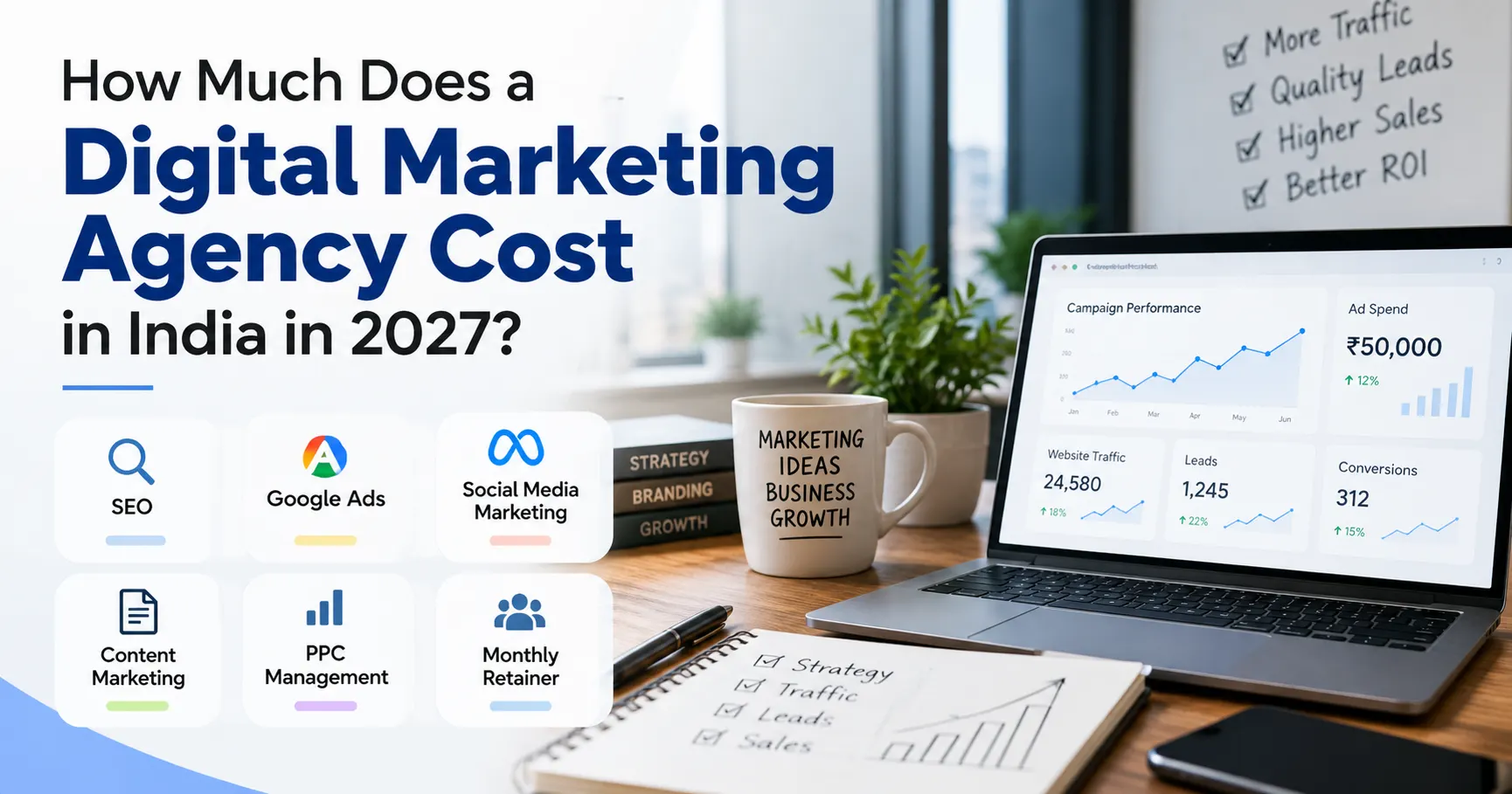
Example : Suppose a skincare brand has a ₹50,000 monthly marketing budget.
If the brand focuses on digital marketing, it may divide the budget across SEO, content creation, social media, email marketing, and paid advertising. Some of the budget may be used for long-term activities such as SEO and content that can continue generating traffic over time.
If the same brand uses performance marketing, it may put a larger portion of the budget into paid campaigns designed to generate measurable results, such as website purchases or leads. The brand can monitor metrics such as CPC, CPL, conversion rate, and ROAS to decide which campaigns should receive more budget.
Performance Marketing vs Digital Marketing: Benefits and Limitations
Benefits and limitations refer to the main advantages and challenges of both marketing approaches. Understanding these can help businesses choose the right strategy based on their goals, budget, resources, and expected results.
Benefits and Limitations of Digital Marketing
Benefits
Wider Online Reach: Helps businesses connect with audiences through multiple digital channels.
Long-Term Visibility: SEO and valuable content can continue attracting relevant visitors over time.
Brand Building: Supports brand recognition, customer engagement, and trust.
Flexible Marketing Options: Allows businesses to combine organic and paid activities based on their resources.
Limitations
Takes Time: Organic SEO and content marketing may require consistent effort before showing meaningful results.
Requires Regular Content: Maintaining an active online presence involves ongoing planning and content creation.
Difficult Attribution: Customers may interact with several channels before making a purchase, making it harder to identify which activity contributed most.
Changing Platforms: Search engine updates, social media algorithms, and audience preferences can affect results.
Benefits and Limitations of Performance Marketing
Benefits
Measurable Results: Tracks clicks, leads, conversions, and other campaign outcomes.
Budget Control: Allows businesses to set campaign budgets and adjust spending based on performance.
Targeted Advertising: Helps reach specific audiences based on relevant targeting options.
Campaign Optimization: Makes it easier to test advertisements, landing pages, and audience segments.
Faster Feedback: Paid campaigns can provide early performance data that helps businesses make decisions.
Limitations
Ongoing Advertising Costs: Many performance campaigns require continuous spending to maintain traffic and results.
High Competition: Competitive industries may have expensive clicks and leads.
Ad Dependency: Results may decline when campaigns stop, especially when there is limited organic traffic or brand demand.
Lead Quality Challenges: A high number of clicks or enquiries does not always translate into actual customers.
Tracking Limitations: Privacy restrictions, incomplete tracking, and attribution challenges can affect measurement accuracy.
When Should a Business Use Performance Marketing?
Performance marketing is especially useful when a business has clear objectives and wants to measure the results of its campaigns.
Consider using performance marketing when:
You Need Leads or Sales: Your main goal is to generate enquiries, product purchases, registrations, or other specific actions.
You Have a Defined Advertising Budget: You can allocate money for testing, running, and optimizing campaigns.
You Want Measurable Campaign Results: You need to understand how much you spend and what results your campaigns produce.
You Are Promoting a Specific Offer: You want to advertise a new product, service, course, or limited-time promotion.
You Want to Improve Existing Campaigns: You already run advertisements and want to improve targeting, conversion rates, or advertising efficiency.
Performance marketing works best when the business has a clear conversion path, suitable tracking, and a way to evaluate the quality of the results.
When Should a Business Focus on Broader Digital Marketing?
Broader digital marketing is useful for businesses that want to strengthen their online presence, build customer relationships, and create long-term growth opportunities.
A digital marketing strategy helps businesses choose suitable online channels, understand their target audience, and plan activities for long-term growth.
Consider focusing on digital marketing when:
You Are Building a New Brand: You want to introduce your business and make more people aware of your products or services.
You Want Long-Term Organic Traffic: You want to attract visitors through SEO, helpful content, and other organic channels.
You Need to Build Customer Trust: You want to establish credibility through educational content, reviews, social media, and consistent communication.
You Want to Reach Customers Across Multiple Channels: Your audience uses different platforms, and you want to connect with them through a combination of digital activities.
You Have Long-Term Growth Goals: You want to build a sustainable online presence rather than depend entirely on paid advertising.
Digital marketing is particularly valuable when a business needs a strong foundation before investing heavily in conversion-focused campaigns.
Business Requirement | Recommended Approach |
|---|---|
Build brand awareness and recognition | Digital Marketing |
Increase organic website traffic | Digital Marketing |
Establish a strong online presence | Digital Marketing |
Build long-term customer relationships | Digital Marketing |
Generate immediate campaign enquiries | Performance Marketing |
Track advertising costs and conversions | Performance Marketing |
Promote a specific product or offer | Performance Marketing |
Measure revenue generated by paid campaigns | Performance Marketing |
Build brand visibility while generating leads | Both |
Support long-term growth with measurable campaigns | Both |
Can Performance Marketing and Digital Marketing Work Together?
Yes. Performance marketing and digital marketing can work together to support different stages of the customer journey. A combined approach allows businesses to build brand awareness while also generating measurable results.
For example, an online clothing store can use SEO and social media content to attract shoppers and introduce its products. It can then use paid advertising and retargeting campaigns to reach interested visitors and encourage purchases.
Here is how the two approaches can complement each other:
Build Awareness Through Digital Marketing: Use SEO, social media, and content marketing to introduce your brand to potential customers.
Attract Interested Visitors: Publish useful content and optimize website pages to bring relevant audiences to your website.
Generate Leads Through Performance Marketing: Run targeted campaigns to encourage visitors to submit enquiries, sign up, or make purchases.
Reconnect With Potential Customers: Use retargeting campaigns to reach people who have already shown interest in your products or services.
Measure and Improve Results: Analayze website traffic, campaign performance, conversion rates, and customer behaviour to identify opportunities for improvement.
When these approaches work together, businesses can build stronger brand recognition while creating more opportunities to generate leads and sales.
Frequently Asked Questions
1. What is the main difference between performance marketing and digital marketing?
Digital marketing focuses on overall online growth, while performance marketing focuses on measurable results like leads and sales.
2. Is performance marketing part of digital marketing?
Yes, performance marketing is a results-focused part of digital marketing.
3. Which is better for small businesses?
Digital marketing is useful for building brand awareness, while performance marketing helps generate leads and sales.
4. What are the main KPIs of performance marketing?
Common KPIs include CPC, CPL, conversion rate, ROI, and ROAS.
5. Can both strategies work together?
Yes, combining both can help businesses build brand awareness and generate more sales.
Conclusion
Performance marketing and digital marketing are closely connected, but they serve different purposes. Digital marketing provides a broader approach to building online visibility, attracting audiences, and developing customer relationships. Performance marketing focuses on measurable campaign outcomes, including clicks, leads, conversions, and sales.
The right strategy depends on what a business wants to achieve. Businesses looking to establish their online presence can benefit from broader digital marketing activities, while those aiming for measurable campaign results can focus on performance marketing.
For many businesses, combining both approaches is a practical way to build brand awareness, reach potential customers, and achieve sustainable growth.
About the author
The Arena Info Solution team shares practical insights on digital marketing, SEO, branding, and online business growth. Our content aims to help businesses and learners understand digital strategies and make informed marketing decisions.
Ready to grow with AI-powered marketing?
Book a free 30-minute strategy call with the Arena Infosolution team.
Get a free growth consultation
Tell us what you're working on and a senior strategist will map your next move.