Choose the Right Social Media Platforms for Your Business
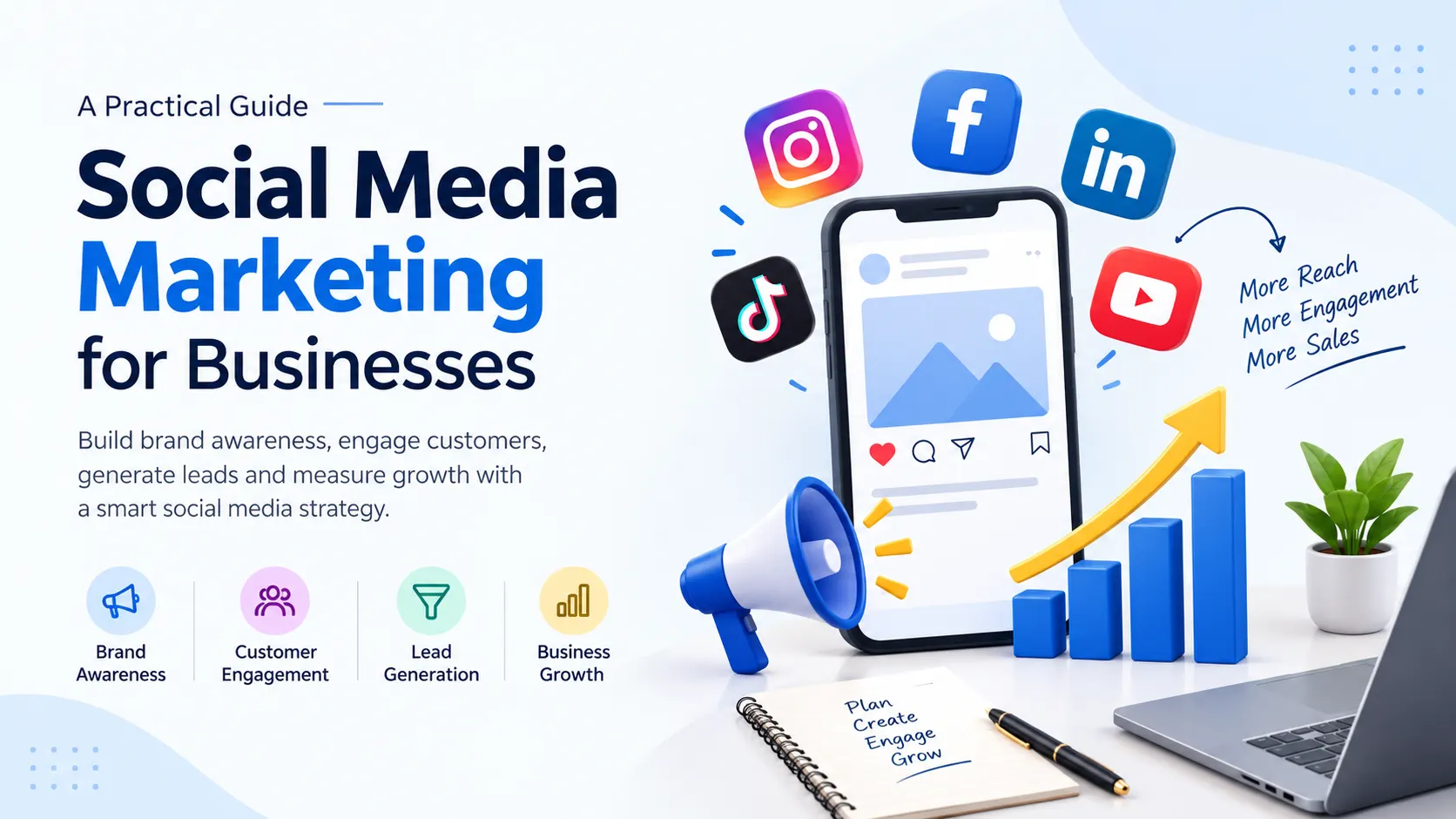
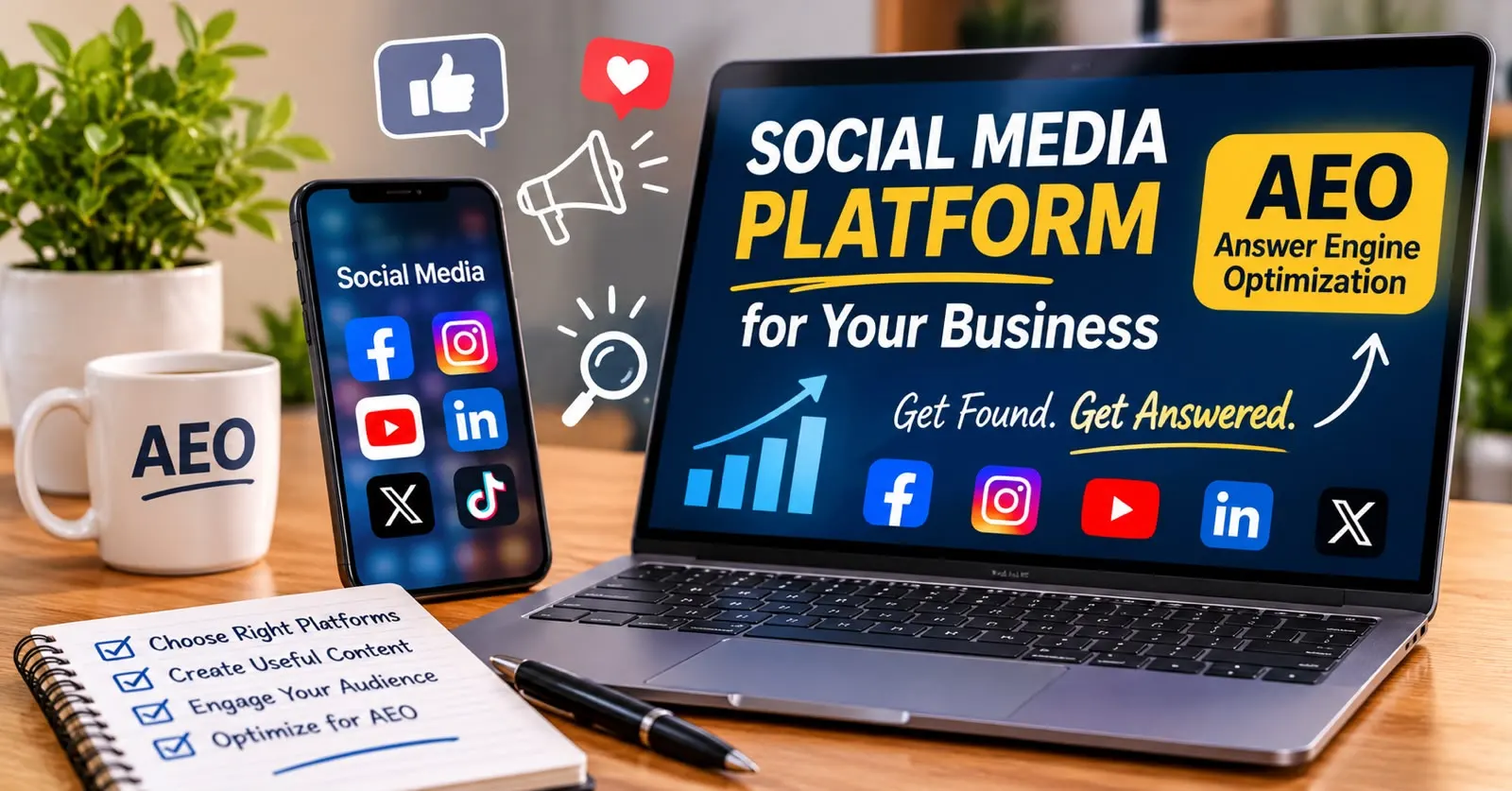
Choosing the right social media platforms is essential for reaching your target audience and growing your business. Learn how Instagram, Facebook, LinkedIn, and YouTube can help you increase brand awareness, connect with potential customers, improve engagement, and achieve better business results. Discover the best social media marketing strategies to grow your business online.
Introduction
For many small businesses, social media is more than a place to share photos or announce offers. It is an opportunity to build relationships, demonstrate expertise, answer customer questions, and increase brand awareness. An effective social media marketing strategy for small businesses can help brands connect with their target audience and attract potential customers.
A well-planned social media presence helps people understand your products or services and encourages them to visit your website, explore your offerings, or contact your business. Choosing the right social media platforms for small businesses can also improve communication and support your overall digital marketing strategy.
For example, a real estate business can share property tours, location highlights, and home-buying tips on Instagram and Facebook. A restaurant can publish menu highlights, customer experiences, and behind-the-scenes videos. A digital marketing agency can share educational posts, practical SEO advice, and social media marketing tips.
Each business has different needs, which means the best social media platforms depend on your target audience, industry, and marketing goals. Instead of trying to maintain a presence everywhere, focus on the channels where your potential customers are most active.
Social media marketing for small businesses works best when it combines the right platforms, valuable content, consistent communication, and measurable goals.
In the following sections, you will learn how to create an effective social media strategy, choose suitable platforms, engage your audience, and support long-term business growth.
A good social media marketing strategy for small businesses helps companies connect with their target audience, build trust, and promote their products or services. It also supports business brand awareness by helping more people discover and recognize a business online.
Key Takeaways
Before developing your strategy, keep these important points in mind:
Understand your audience: Identify your ideal customers, their interests, and the platforms they use.
Choose platforms strategically: Focus on one or two suitable platforms before expanding.
Create useful content: Share educational posts, product demonstrations, customer stories, and behind-the-scenes content.
Maintain consistency: Follow a realistic publishing schedule that your team can sustain.
Encourage conversations: Respond to comments, answer questions, and follow up on relevant inquiries.
Use advertising strategically: Paid campaigns can help you reach selected audiences when your offer and landing page are ready.
Measure meaningful results: Track website visits, inquiries, leads, conversions, and other metrics related to your goals.
Improve continuously: Use performance data and audience feedback to refine your strategy.
The objective is not simply to gain followers. It is to attract the right audience and help interested people take the next step toward becoming customers.
TABLE OF CONTENTS
What Does Social Media Marketing Mean for a Small Business?
Factors to Consider Before Choosing Social Media Platforms
What Is Social Media Marketing and Why Is It Important for Small Businesses?
What Should You Post on Social Media for Your Business?
Build a Content Mix That People Actually Want to Follow
How Often Should a Small Business Post?
How Can You Turn Social Media Engagement Into Customers?
A Simple Social Media Plan for a Small Business
Should You Use Social Media Ads?
How to Measure Whether Your Social Media Marketing Is Working
Common Social Media Marketing Mistakes Small Businesses Should Avoid
Small Business Social Media Marketing Checklist
Frequently Asked Questions About Social Media Marketing
Conclusion
About the Author
What Does Social Media Marketing Mean for a Small Business?
Social media marketing for small businesses means using platforms like Instagram, Facebook, and LinkedIn to promote products or services, connect with customers, and increase brand awareness. It helps small businesses reach potential customers and share useful information without needing a large marketing budget.
With effective social media marketing, businesses can share product photos, customer reviews, helpful tips, and business updates. For example, a clothing store can showcase new collections, while a coaching institute can share educational tips and course details. Regular and engaging content helps people understand your business and build trust in your brand.
Another important benefit is small business online visibility. By sharing relevant content and interacting with your audience, you can help more people discover your business. You can also answer customer questions, receive feedback, and understand their needs. The main goal is to build relationships, provide value, and turn interested people into customers over time.
Factors to Consider Before Choosing Social Media Platforms
Before choosing social media platforms, small businesses should understand their marketing goals and target audience. A good social media marketing strategy for small businesses helps businesses select suitable platforms and connect with potential customers.
Here are two important factors to consider:
Understand Your Audience: Identify your customers' interests, age groups, and online behaviour. Effective social media audience targeting helps you reach people who are more likely to be interested in your products or services.
Plan Your Content: Use small business content planning to organize product photos, videos, customer reviews, and helpful posts. This keeps your social media pages active and interesting.
Choosing the right platforms and sharing useful content can help your business build trust, improve engagement, and achieve long-term growth.
What Is Social Media Marketing and Why Is It Important for Small Businesses?
Social media marketing helps small businesses promote their products and services, reach new customers, and build brand awareness. Platforms like Instagram, Facebook, and LinkedIn allow businesses to share updates, showcase their work, and communicate directly with their audience.
For small businesses, social media offers an affordable way to promote their brand and stay connected with customers. Sharing useful content, customer reviews, and special offers can help build trust and attract potential buyers.
With the right social media marketing strategy, businesses can improve customer engagement, strengthen their online presence, and create more opportunities for growth.
What Should You Post on Social Media for Your Business?
Social media is a useful way for businesses to showcase their products, share information, and connect with customers. You can post product photos, educational tips, customer reviews, behind-the-scenes videos, and special offers to keep your audience interested. Choosing the right content helps your business build trust and attract potential customers.
Using creative content ideas for small businesses can make your social media pages more interesting. For example, a clothing store can share new arrivals, styling tips, and customer feedback, while a bakery can post cake designs, baking videos, and festival offers. These posts help customers understand your products and encourage them to interact with your business.
You can also use social media engagement ideas, such as polls, question posts, quizzes, and customer testimonials, to encourage followers to participate. Responding to comments and messages helps build stronger relationships with your audience. By sharing useful content consistently, your business can improve its online presence and connect with more potential customers.
Build a Content Mix That People Actually Want to Follow
Sharing the same type of content every day can make your audience lose interest. To keep followers engaged, small businesses should share different types of posts, such as educational tips, product photos, customer reviews, behind-the-scenes videos, and special offers. This helps people understand your business and gives them more reasons to follow your page.
Using creative content ideas for small businesses can make your social media posts more interesting and useful. For example, a clothing store can share styling tips, a restaurant can post food preparation videos, and a digital marketing agency can share simple marketing tips. Try to create content that answers customer questions and solves their problems instead of only promoting products.
You can also use social media engagement ideas, such as asking questions, creating polls, sharing customer stories, and replying to comments. These activities encourage people to interact with your brand and help build stronger relationships with your audience. Keep your content helpful, interesting, and relevant to your customers.
Create Content That Connects with Your Audience
For example, a clothing business can share new collections, outfit ideas, customer feedback, and seasonal trends. This helps followers discover products and find ideas they can use.
A strong social media marketing strategy combines useful and promotional content to build audience trust, increase engagement, and support business growth.
How Often Should a Small Business Post?
Posting regularly is an important part of social media marketing for small businesses. You do not need to post several times every day to get good results. Instead, focus on sharing useful content consistently and choosing a schedule that works for your business.
For most small businesses, posting three to five times a week on Instagram or Facebook can be a good starting point. You can also share Stories, short videos, customer reviews, and business updates to keep your audience interested.
The right posting frequency depends on your social media audience targeting, business goals, and the platforms you use. For example, a clothing store may share new arrivals and styling tips, while a local café can post menu updates, special offers, and customer experiences.
A simple social media marketing strategy can help you plan posts in advance and maintain consistency. Track likes, comments, shares, reach, and website visits to understand what your audience enjoys most. Over time, adjust your schedule according to the results.
A social media content calendar helps small businesses plan their posts in advance and maintain a consistent schedule. For example, you can share product photos on Monday, helpful tips on Wednesday, and customer reviews on Friday. Planning content ahead of time saves effort and keeps your audience interested.
How Can You Turn Social Media Engagement Into Customers?
Ready to grow with AI-powered marketing?
Book a free 30-minute strategy call with the Arena Infosolution team.
Social media engagement includes likes, comments, shares, saves, and messages from people who interact with your content. These interactions can help small businesses understand customer interests and identify potential buyers. However, engagement becomes more valuable when it leads to genuine enquiries, bookings, or sales.
Businesses can use simple social media engagement ideas to encourage conversations. For example, a clothing store can ask followers to choose their favourite outfit, while a bakery can create a poll about popular cake flavours. Replying to comments and answering customer questions also helps build trust.
To turn interested followers into customers, include a clear call to action, such as “Message us for details” or “Visit our website to explore our products.” Track enquiries and conversions to understand which activities support business growth. A helpful and responsive approach can make it easier for potential customers to take the next step.
Using social media for business growth helps small businesses connect with potential customers and promote their products or services. Replying to comments, sharing useful information, and answering customer questions can build trust. Over time, these activities can help businesses generate enquiries and increase sales.
A Simple Social Media Calendar for a Small Business
A social media calendar helps small businesses plan and organize their posts in advance. It makes social media marketing easier by maintaining a regular posting schedule and keeping content organized.
Businesses can plan different types of content, such as product updates, educational posts, short videos, customer reviews, and special offers. A proper content schedule also helps save time and keeps the audience engaged.
Social Media Content Calendar Comparison
Content Type | Main Purpose | Best Platform |
|---|---|---|
Product Photos | Showcase products | Instagram, Facebook |
Educational Posts | Share useful information | Facebook, LinkedIn |
Short Videos and Reels | Increase engagement | Instagram, TikTok |
Customer Reviews | Build trust | Facebook, Instagram |
Special Offers | Attract potential customers | Facebook, WhatsApp |
When planning a social media calendar, businesses should focus on posting useful content regularly, choosing suitable platforms, and tracking audience engagement. This helps maintain an active online presence and build stronger customer relationships.
Should You Use Social Media Ads?
Social media ads can help small businesses reach more people, promote their products, and attract potential customers. Platforms like Instagram and Facebook allow businesses to show ads to specific audiences based on their location, interests, and preferences."To understand the advertising process, businesses can explore Meta's Facebook and Instagram Advertising Course." This makes advertising useful for businesses that want to increase brand awareness and reach new customers.
For example, a clothing store in Jaipur can use Instagram ads to promote new collections, share special offers, and attract local shoppers. A well-planned social media marketing strategy helps businesses choose the right audience, set an advertising budget, and create attractive ads that encourage people to take action.
Before running ads, start with a small budget and set a clear goal, such as increasing website visits, generating leads, or boosting sales. Track clicks, enquiries, and conversions to understand your results. Combining paid ads with organic content can make social media marketing for small businesses more effective and help build long-term customer relationships.
How to Measure Whether Your Social Media Marketing Is Working
Measuring performance helps businesses understand whether their content is reaching the right people and supporting their goals. Important metrics include reach, engagement, profile visits, website clicks, customer enquiries, and sales.
For example, if a product video receives several enquiries, it may be attracting potential customers. If a post receives many views but very few interactions, you may need to improve its message or call to action.
Social media performance tracking helps businesses identify which posts are effective. Review your analytics regularly and use the results to improve your social media content calendar. You can then focus on topics that interest your audience and support your marketing goals.
Consistent performance tracking can also help businesses understand whether their efforts are improving brand visibility, engagement, and customer enquiries over time.
Common Social Media Marketing Mistakes Small Businesses Should Avoid
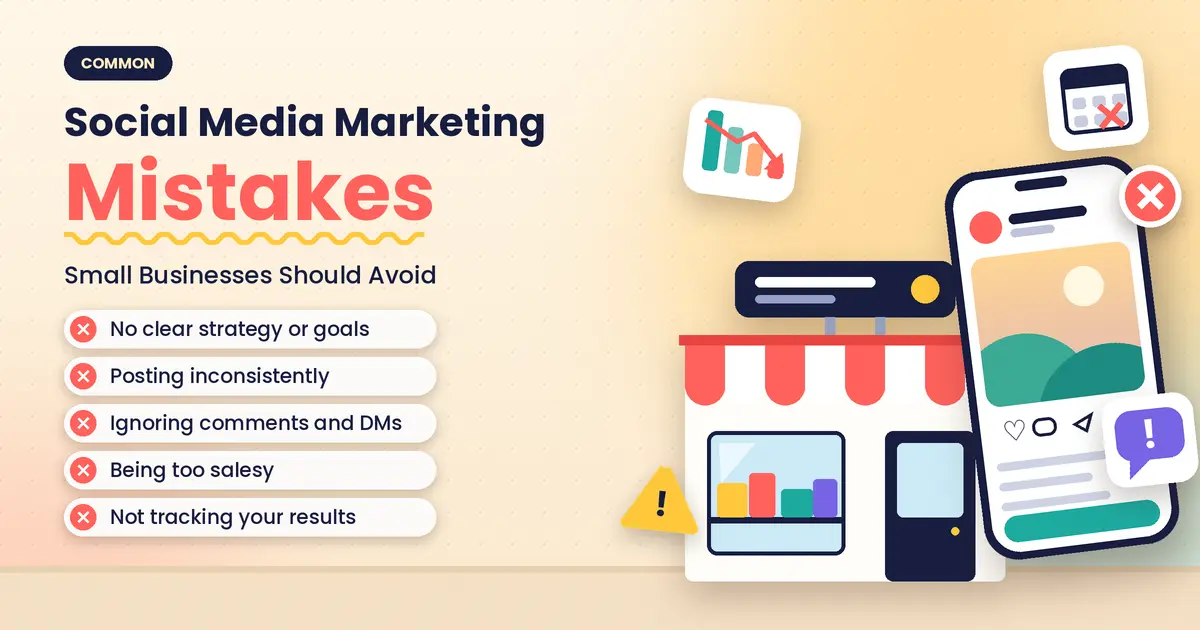
Social media can help small businesses reach new customers, but some common mistakes can affect their growth. Posting without a plan, sharing only promotional content, and ignoring customer comments can make a business page less engaging. Choosing the wrong platforms or posting irregularly can also reduce opportunities to connect with the right audience.
Avoid These Common Mistakes
One common mistake is focusing only on selling products instead of sharing useful content. Customers are more likely to engage with posts that offer helpful tips, answer questions, or show genuine customer experiences. Businesses should also avoid using too many irrelevant hashtags and posting without clear captions.
Another important mistake is ignoring social media performance. Checking reach, engagement, and customer enquiries helps businesses understand which posts work well. For example, if videos receive more attention than photos, a business can create more videos to keep its audience interested.
A well-planned social media marketing strategy helps small businesses avoid these mistakes, maintain consistency, build customer trust, and improve their online presence over time.
Small Business Social Media Marketing Checklist
Small businesses can improve their social media presence by following a simple marketing checklist. These steps help them connect with customers and promote their products or services effectively.
Your checklist
Create a professional business profile.
Select platforms where your target audience is active.
Share photos, videos, tips, and customer reviews.
Post content regularly to keep followers interested.
Use clear captions and calls to action.
Respond to comments and messages on time.
Share offers and updates about your business.
Check your social media performance every week.
Improve your content based on audience feedback. Create a professional business profile.
Following effective small business social media marketing tips can make your marketing activities easier to manage. Choose suitable platforms, create helpful posts, maintain a content calendar, respond to customer messages, and review your results every week. These simple steps can help you build trust and reach more potential customers.
Following these steps helps businesses stay active and organized online. A strong social media marketing strategy can increase customer engagement, build trust, and help small businesses grow.
Frequently Asked Questions (FAQs)
1. Why Is Social Media Marketing Important for Small Businesses?
Social media marketing helps small businesses reach more customers, increase brand awareness, and promote their products or services. It also helps businesses connect with their audience and grow online.
2. How Do I Choose the Right Social Media Platforms for My Business?
Choose social media platforms based on your target audience, business goals, and content type. For example, Instagram is useful for visual content, while LinkedIn is suitable for professional networking and B2B businesses.
3. What Type of Content Should a Business Post on Social Media?
Businesses should post engaging content such as product photos, videos, customer reviews, helpful tips, behind-the-scenes posts, and special offers. This helps attract followers and keep the audience interested.
4. How Can Social Media Help Build Customer Trust?
Businesses can build customer trust by responding to comments and messages, sharing genuine customer reviews, providing helpful information, and communicating regularly with their audience.
5. How Can I Get More Followers on Social Media?
To get more followers, businesses should post regularly, share engaging content, use relevant hashtags, interact with their audience, and follow current trends. Consistent posting can help attract new followers.
6. How Do I Know If My Social Media Marketing Is Successful?
Businesses can measure social media marketing success by tracking reach, engagement, followers, website traffic, customer enquiries, and sales. These metrics help understand what is working and where improvements are needed.
Conclusion
Social media marketing is a useful way for small businesses to connect with customers, promote their products or services, and grow their online presence. By choosing the right social media platforms, creating quality content, posting regularly, and responding to customer comments, businesses can build trust and improve engagement. A well-planned social media marketing strategy can help increase brand awareness, attract potential customers, and support long-term business growth.
Following these social media marketing tips for small businesses can help you improve your online presence. Choose platforms that suit your audience, share useful content regularly, respond to customer messages, and review your performance. With consistent effort, your business can build stronger customer relationships and reach its marketing goals.
Ready to grow with AI-powered marketing?
Book a free 30-minute strategy call with the Arena Infosolution team.
About the author
Arena Infosolution is a digital marketing enthusiast who enjoys sharing useful insights on SEO, social media marketing, and online business growth. Through informative and easy-to-understand blogs, the aim is to help readers learn effective digital marketing strategies and build a strong online presence.
Get a free growth consultation
Tell us what you're working on and a senior strategist will map your next move.