Branding for Businesses: How to Build and Grow a Strong Brand from Scratch
Learn how to build a strong business brand from scratch, from defining your brand strategy and identity to creating consistent messaging and growing customer trust.

Introduction
For small businesses and startups, business branding can help create recognition, trust and a clear position in the market.
Starting a business is not only about having a good product or service. You also need to give people a reason to remember your business, trust it and choose it over alternatives.
That is where business branding comes in.
For many small businesses and startups, branding is often reduced to a logo, colours or a catchy tagline. But a strong brand is much more than its visual identity. It is the combination of how your business is positioned, how it communicates, how it looks and how customers experience it.
Whether you are starting a new business or trying to make an existing one more recognisable, building a strong brand requires a clear strategy and consistent execution.
In this guide, we will explore what business branding actually means, why it matters, how to build a brand from scratch, and how to grow it over time. You will also learn what to prioritise when working with a limited budget and the common branding mistakes businesses should avoid.
TABLE OF CONTENTS
What Is Branding for a Business?
Why Is Branding Important for Businesses?
How to Build a Brand from Scratch
How to Grow and Strengthen Your Brand
Branding for Small Businesses: What to Prioritize
Common Branding Mistakes to Avoid
How to Measure Your Brand’s Progress
Business Branding Checklist
Frequently Asked Questions About Business Branding
Conclusion
Key takeaways
A strong brand is built through strategy, identity, messaging and consistent customer experiences.
Start by understanding your target audience and defining a clear position in the market.
Your logo and visual identity are important, but they are only part of your overall brand.
Consistent communication and customer experience help build recognition and trust.
Brand building is a long-term process that should evolve with your business and customers.
What Is Branding for a Business?
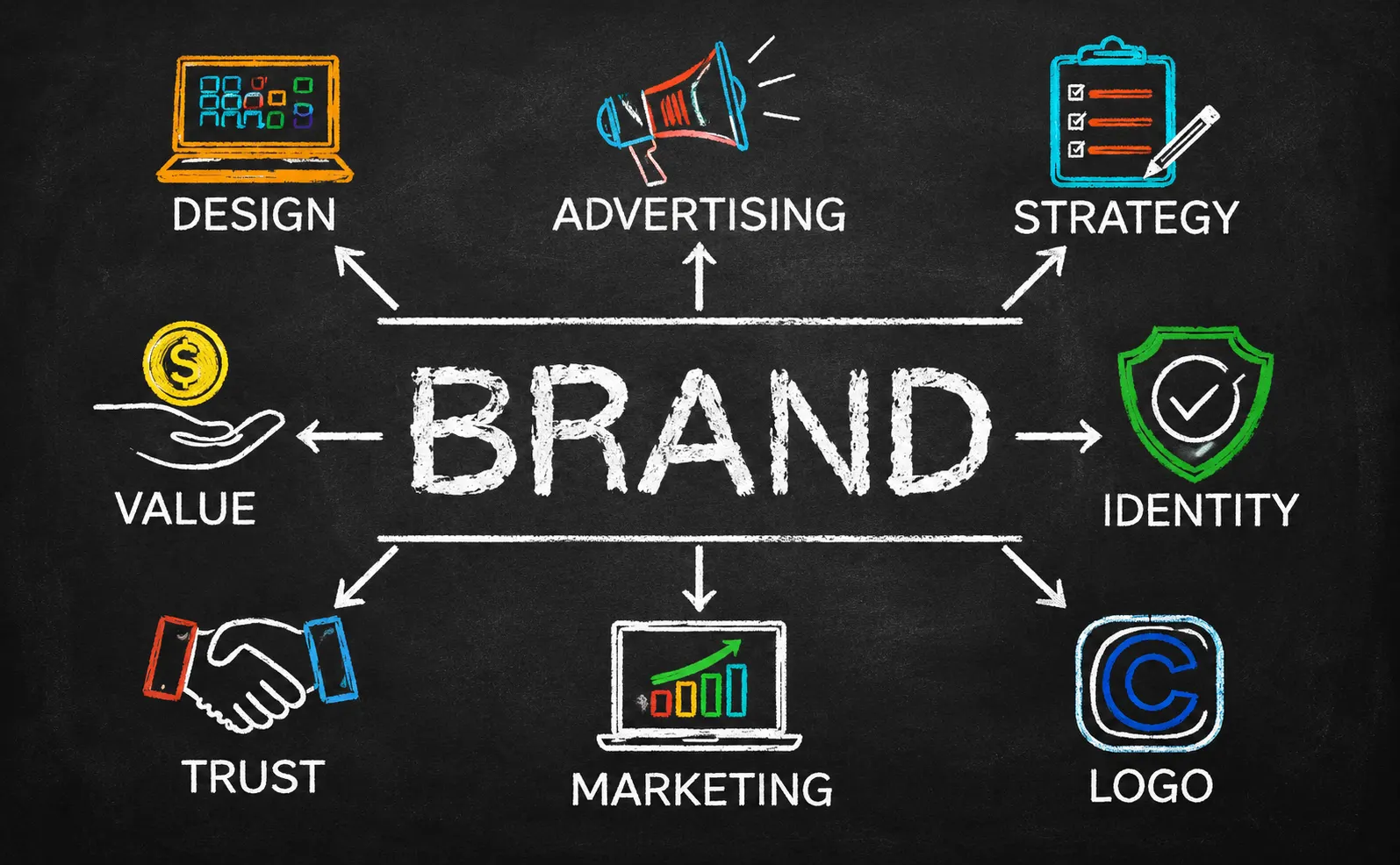
Branding is the process of shaping how people recognise, understand and experience your business. It goes beyond a logo or a colour palette. It includes the position your business takes in the market, the way you communicate, the visual identity you create and the experience customers have with your business.
A useful way to understand branding is to separate three related ideas: brand, branding and brand identity. They work together, but they are not the same thing.
The American Marketing Association also distinguishes concepts such as brand identity and brand positioning when explaining the fundamentals of branding.
Term | What it means | Simple example |
|---|---|---|
Brand | The overall perception people have of your business. | Customers may see a clothing business as affordable, reliable and trend-focused. |
Branding | The process of intentionally shaping and communicating that perception. | The business uses its messaging, marketing, content and customer experience to reinforce its position. |
Brand Identity | The visual and verbal elements used to express the brand. | Logo, colours, typography, imagery and tone of voice. |
These three elements are connected. Your brand is the perception, branding is the process of shaping it, and brand identity is one of the main ways you express it. Understanding this difference gives you a stronger foundation before you start making decisions about your business name, logo or marketing.
Why Is Branding Important for Businesses?
A strong brand helps a business become more than just another option in the market. When customers can recognise a business, understand what it stands for and know what to expect from it, they are more likely to remember and trust it.
Branding can help businesses in several practical ways:
Build recognition: Consistent visuals, messaging and communication make your business easier to recognise.
Create trust: A professional and consistent brand can make customers feel more confident about choosing your business.
Differentiate your business: Clear positioning helps customers understand why your business is different from competitors.
Improve customer experience: Branding gives your team a consistent way to communicate and interact with customers across different touchpoints.
Support marketing: When your brand has a clear identity and message, your marketing becomes more consistent and easier to build around.
Build long-term value: A strong brand can create customer preference that goes beyond individual products, offers or price.
For a small business or startup, this does not mean spending heavily on design from day one. Good branding starts with clarity—knowing who you serve, what you offer, how you are different and how you want customers to perceive your business.
Why Branding Matters
Helps customers recognise your business
Builds trust and credibility
Makes your business easier to differentiate
Creates consistency across customer touchpoints
Gives your marketing a clear direction
Helps build long-term customer preference
How to Build a Brand from Scratch

Learning how to build a brand starts with understanding your customers and defining what you want your business to be known for. Once the strategy is clear, you can develop the identity, messaging and customer experience that bring the brand to life.
The process can be broken down into a series of practical steps.
1. Understand Your Target Audience
Start by understanding the people you want to serve. Look at their needs, problems, preferences and buying behaviour.
Ask: Who is my ideal customer? What problem are they trying to solve? What influences their buying decision? Customer conversations, reviews, surveys and competitor research can help you find useful answers.
The goal is to understand your real customers rather than trying to appeal to everyone.
2. Research Your Market and Competitors
Study the businesses competing for the same customers. Look at their positioning, pricing, messaging, visual identity and customer reviews.
This research helps you understand what customers already expect and where opportunities exist. The purpose is to find gaps and build differentiation, not to copy another brand.
3. Define Your Brand Positioning
Your positioning explains where your business fits in the market and why customers should choose it over alternatives.
A useful positioning statement should make four things clear:
Who you serve → What you offer → What makes you different → Why that difference matters
For example, instead of simply saying that you sell skincare products, your positioning might focus on simple skincare solutions designed for people who want an uncomplicated daily routine.
A clear business branding strategy can then guide your messaging, visual identity and marketing decisions.
The Brand-Building Process
Step 1 — Know Your Audience
Understand who you want to attract and what they need.
Step 2 —Research Your Market
Study competitors, customer expectations and gaps in the market.
Step 3 — Define Your Position
Decide what you want your business to be known for and why customers should choose you.
4. Define Your Brand Purpose, Values and Promise
Once you know your audience and positioning, define the principles that will guide your brand. These give your business a clear direction and help keep your communication and decisions consistent as the business grows.
Brand Purpose
Your brand purpose explains why your business exists beyond making sales. It should connect to the problem you want to solve or the value you want to create for customers.
For example, a business selling affordable professional clothing might have a purpose centred around helping working professionals feel confident without overspending.
Brand Values
Brand values are the principles your business wants to follow in the way it operates and serves customers.
Choose values that genuinely influence your decisions rather than selecting words simply because they sound good. Depending on the business, these might include transparency, simplicity, quality, reliability or customer-first service.
Brand Promise
Your brand promise is the experience or value customers should consistently expect from your business.
It should be clear, realistic and something your business can actually deliver. If your brand promises fast service, for example, the actual customer experience needs to support that promise.
A simple way to think about these three elements is:
Purpose gives your brand direction. Values guide your behaviour. Your promise sets an expectation for customers.
5. Develop Your Brand Personality and Voice
Decide how your business should sound when communicating with customers. Your brand personality describes how the brand feels, while its voice defines how it communicates.
Choose a style that fits your audience and positioning, then maintain it across your website, social media, advertising and other important channels.
Build Your Brand from the Inside Out
Define why your business exists.
Choose values that influence real business decisions.
Create a brand promise you can consistently deliver.
Develop a personality that fits your audience.
Establish a clear and consistent brand voice.
6. Choose Your Brand Name
our brand name is often one of the first things customers notice, so it should be easy to understand, remember and use consistently. However, a strong brand name does not need to describe exactly what your business sells.
When choosing a name, think beyond whether it simply sounds good. Consider how the name will work across your website, social media, packaging, advertising and future business expansion.
A good brand name should ideally be:
Easy to remember — Customers should be able to recall it without much effort.
Easy to pronounce and spell — Avoid names that regularly require explanation.
Relevant to your positioning — The name should fit the kind of brand you want to build.
Distinctive — It should not be easily confused with an existing competitor.
Flexible — Avoid choosing a name that limits you if your products or services expand later.
Available to use — Check domain availability, social handles and relevant trademark considerations before making a final decision.
Before finalising a name, check its availability across your domain, social handles and trademarks. The official IP India trademark search can help you check existing trademarks and identify potential conflicts.
You do not have to find a name that communicates everything about your business. The meaning of a brand name can grow through the reputation and experiences you build around it.
Most importantly, do not let the name distract you from the bigger branding decisions. A memorable name can support a strong brand, but the name alone does not create one.
What to Check Before Choosing a Brand Name
Is it easy to remember?
Is it easy to pronounce and spell?
Does it fit your brand positioning?
Is it distinctive from competitors?
Can the business grow beyond the current offering?
Have you checked domain, social handle and trademark availability?
7. Build Your Visual Brand Identity
Your visual identity turns your brand strategy into something customers can recognise. It can include your logo, colour palette, typography, imagery and other design elements.
These elements should work together and remain consistent across your website, social media, packaging and marketing materials. A simple set of brand guidelines can help your team maintain that consistency as the business grows.
Keep Your Visual Identity Consistent
Once you have chosen your core visual elements, document the basic rules for using them. A simple brand guideline can specify your logo variations, colours, fonts, imagery style and basic design principles.
This becomes especially useful when multiple people create content or marketing materials for the business. Instead of relying on personal preferences, everyone has a common visual reference to follow.
However, consistency does not mean rigidity. Your brand should be recognisable while still allowing your designs to adapt to different platforms and campaigns.
Think of your visual identity as the visual language of your business—not the brand itself. It should help people recognise and understand your brand, while the underlying strategy and customer experience give those visuals meaning.
Core Elements of a Visual Brand Identity
Logo
Colour palette
Typography
Imagery
Design elements
Basic brand guidelines
8. Create Clear Brand Messaging
A strong visual identity helps people recognise your business, but your messaging helps them understand it. Your brand messaging should clearly communicate what you offer, who it is for and why customers should consider your business.
Start by defining a few core messages that you can consistently communicate across your website, social media, advertising and other marketing channels.
Your messaging should make it easy for a potential customer to understand:
What do you offer?
Who is it for?
What problem does it solve?
What makes your business different?
Why should customers trust you?
Keep Your Message Simple and Consistent
Your messaging should make it clear what you offer, who it is for, what value you provide and why customers should consider your business.
Keep your core message simple and consistent across important channels. Your wording can change depending on the platform, but the underlying message and personality should remain recognisable.
Good brand messaging is not about saying more. It is about making the right message easy to understand and remember.
What Strong Brand Messaging Should Do
Clearly explain what you offer
Speak to the right audience
Communicate your key value
Show how you are different
Build confidence and trust
Stay consistent across channels
9. Apply Your Brand Consistently
Your brand becomes stronger when customers experience the same core identity across different touchpoints. Keep your positioning, visual identity, messaging and tone consistent across your website, social media, advertising, packaging and customer communication.
As your business grows, simple brand guidelines can help your team and marketing partners maintain this consistency.
For example, your Instagram may use a more conversational format than your website, but both should still feel like they come from the same business.
As your business grows, create simple brand guidelines that your team, designers and marketing partners can follow. This reduces inconsistency and makes it easier to maintain a recognisable brand across different channels.
A brand is built through repeated experiences. The more consistently customers encounter what your business stands for, the easier it becomes for them to recognise and remember you.
How to Grow and Strengthen Your Brand
Building a brand is only the beginning. Strong brand building requires consistent effort over time.
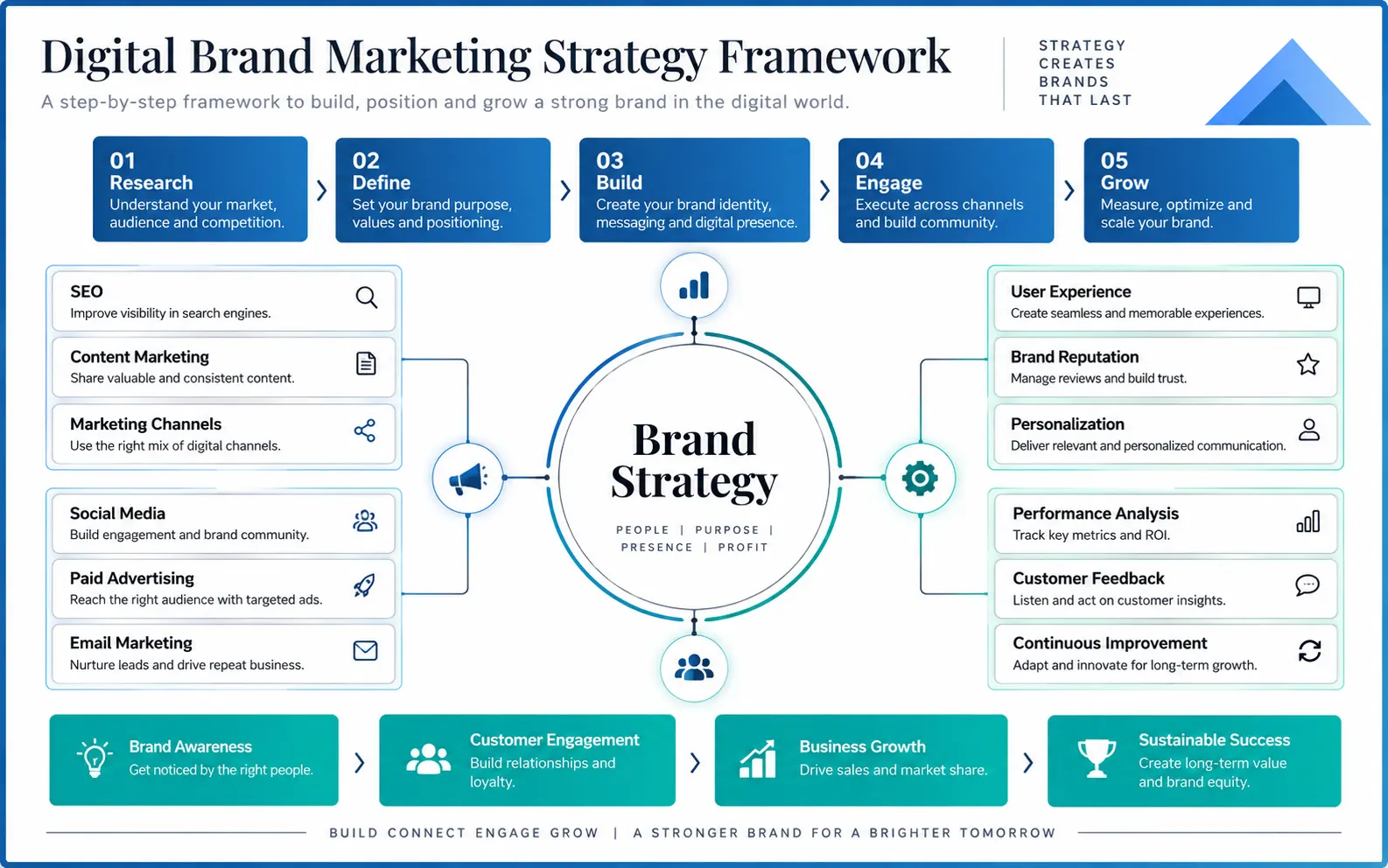
Stay consistent: Keep your positioning, visual identity and messaging aligned across important channels.
Create useful content: Answer customer questions and demonstrate your expertise instead of only promoting products. Your social media presence can also help reinforce your brand and keep your communication consistent.
Improve customer experience: Make sure the experience supports the expectations created by your brand.
Build trust: Use genuine customer feedback, reviews and testimonials to strengthen credibility.
Keep improving: Review what works and make thoughtful changes as your business and audience evolve.
Brand growth is not about being everywhere. It is about becoming more recognisable, trusted and relevant to the right customers over time.
Branding for Small Businesses: What to Prioritize
Branding for small businesses does not require a large budget. The priority should be creating clarity and consistency before investing heavily in design or marketing. For a small business, the priority should be creating clarity and consistency before investing heavily in design or marketing. If you need professional support with your branding and creative strategy, you can explore Arena Infosolution's branding services.
Start with these fundamentals:
Clear positioning: Know who you serve and what makes your business different.
Consistent identity: Use a simple, professional visual identity across your important channels.
Strong messaging: Make it easy for customers to understand what you offer and why it matters.
Customer experience: Deliver an experience that matches the expectations your brand creates.
Focused marketing: Choose the channels where your target customers are actually active instead of trying to be everywhere.
As the business grows, you can gradually invest in more sophisticated brand assets, campaigns and experiences. A limited budget should change your priorities, not prevent you from building a professional brand.
Common Branding Mistakes Businesses Should Avoid
Many businesses invest time and money into branding but make simple strategic mistakes that weaken the result. Avoiding these mistakes can be just as important as creating the right brand elements.
1. Treating Branding as Just a Logo
A logo is only one part of a brand identity. A strong brand also depends on positioning, messaging, customer experience and consistency.
2. Trying to Appeal to Everyone
When a business tries to speak to everyone, its message often becomes too generic. A clearer understanding of your ideal customer helps you create more relevant branding.
3. Copying Competitors
Competitor research is useful for understanding the market, but copying another brand's colours, messaging or personality makes it harder to build a distinctive identity.
4. Changing the Brand Too Often
Constantly changing your logo, colours, messaging or communication style can make the business difficult to recognise. Improve your branding when there is a clear reason, rather than changing it simply because a new trend appears.
5. Ignoring the Customer Experience
A polished visual identity cannot compensate for poor service, confusing communication or an inconsistent buying experience. Your brand promise needs to match what customers actually experience.
The goal is not to create a perfect brand from day one. It is to build a clear, consistent and trustworthy brand that can improve as the business grows.
How to Measure Your Brand’s Progress

Brand growth is not measured by followers or visibility alone. Look at whether more of the right customers are recognising, trusting and choosing your business over time.
Useful signals include:
Branded searches and website traffic — Are more people actively looking for your business?
Customer feedback and reviews — What are customers saying about your business?
Repeat customers — Are people returning after their first purchase?
Engagement and enquiries — Is your audience responding to your content and messaging?
Conversions — Are your marketing efforts turning interest into customers?
Review these signals regularly and use the findings to improve your positioning, messaging and customer experience.
Business Branding Checklist
Before launching or strengthening your brand, use this checklist to make sure the important foundations are in place. You do not need everything to be perfect from day one, but the core elements should be clear and consistent.
Business Branding Checklist
I know who my target customers are.
I understand my competitors and market.
I have a clear brand positioning.
I know what my business should be known for.
My brand purpose, values and promise are clear.
I have a consistent visual identity.
My brand messaging is simple and clear.
My website and social channels communicate the same core brand.
My customer experience supports my brand promise.
I regularly review customer feedback and brand performance.
You do not need a perfect brand before you launch. The goal is to start with a clear foundation, stay consistent and improve as you learn more about your customers.
Frequently Asked Questions
What is branding in business?
Branding is the process of shaping how customers recognise, understand and experience a business. It includes strategy, positioning, messaging, visual identity and customer experience.
How do I build a brand from scratch?
Start by understanding your target audience and competitors, then define your positioning, brand values, messaging and visual identity. Apply these consistently across your customer touchpoints and improve them as your business grows.
Is branding important for small businesses?
Yes. Small businesses can use clear branding to build recognition, differentiate themselves from competitors and create trust without needing a large branding budget.
What is the difference between branding and marketing?
Branding defines who your business is and how you want to be perceived, while marketing communicates that value to attract and retain customers. They work together, but they serve different purposes.
How long does it take to build a strong brand?
There is no fixed timeline. Creating the basic brand foundation can happen relatively quickly, but building strong recognition and customer trust takes consistent communication and positive experiences over time.
Conclusion
Building a strong brand is not about creating the perfect logo or spending the most money on design. It starts with understanding your customers, defining what your business stands for and creating a clear reason for people to choose you.
From positioning and messaging to visual identity and customer experience, every part of your business contributes to how customers perceive your brand.
Start with a strong foundation, stay consistent and keep improving as you learn more about your customers and market.
A strong brand is built over time through clarity, consistency and experiences that customers can trust.
Ready to grow with AI-powered marketing?
Book a free 30-minute strategy call with the Arena Infosolution team.
About the author
Arena Infosolution’s digital marketing team creates practical content on branding, brand strategy and business growth, helping businesses build clear, consistent and recognisable brands.
Get a free growth consultation
Tell us what you're working on and a senior strategist will map your next move.